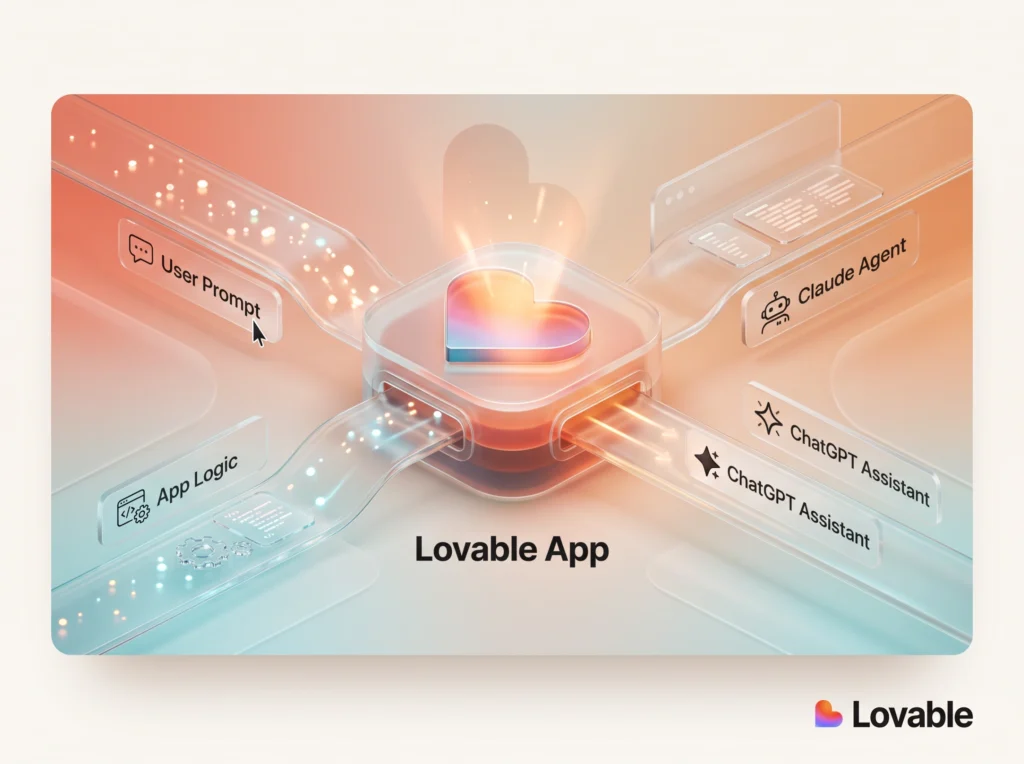
Lovable app security received significant attention in an update shared by Igor, Head of Security at Lovable, announced on the Lovable blog. As non-technical creators and software teams ship applications with active end users, safeguarding data can no longer remain an afterthought. The platform outlined its automated defenses, on-demand scanners, agent-based remediation tools, and upcoming scheduled auditing controls.
Understanding how Lovable app security operates allows builders to deploy applications without worrying about hidden database exposures or credential leaks. Security features run continuously behind the scenes, ensuring that projects remain safe whether created by an individual on a free tier or a team managing active client applications.
Core Safeguards Included in Lovable App Security
The foundational layer of Lovable app security is activated without manual configuration. Every project receives secure authentication flows and access controls by default. Builders do not need to assemble authentication infrastructure from scratch or configure complex token exchanges to keep accounts separated.
Environment variables and sensitive application secrets are encrypted at rest. Lovable prevents these values from leaking into client-side code bundles where unauthorized visitors could extract API keys or private database strings. These protections apply uniformly across free and paid accounts, reinforcing the company stance that basic protection belongs in every software build regardless of plan tier.
In addition, continuous background inspection evaluates your application while you write prompts and modify interface elements. Catching structural oversights during initial drafting stops misconfigurations from compounding into hard-to-diagnose bugs later in the development cycle.
Pre-Publish Scans and Database Checks
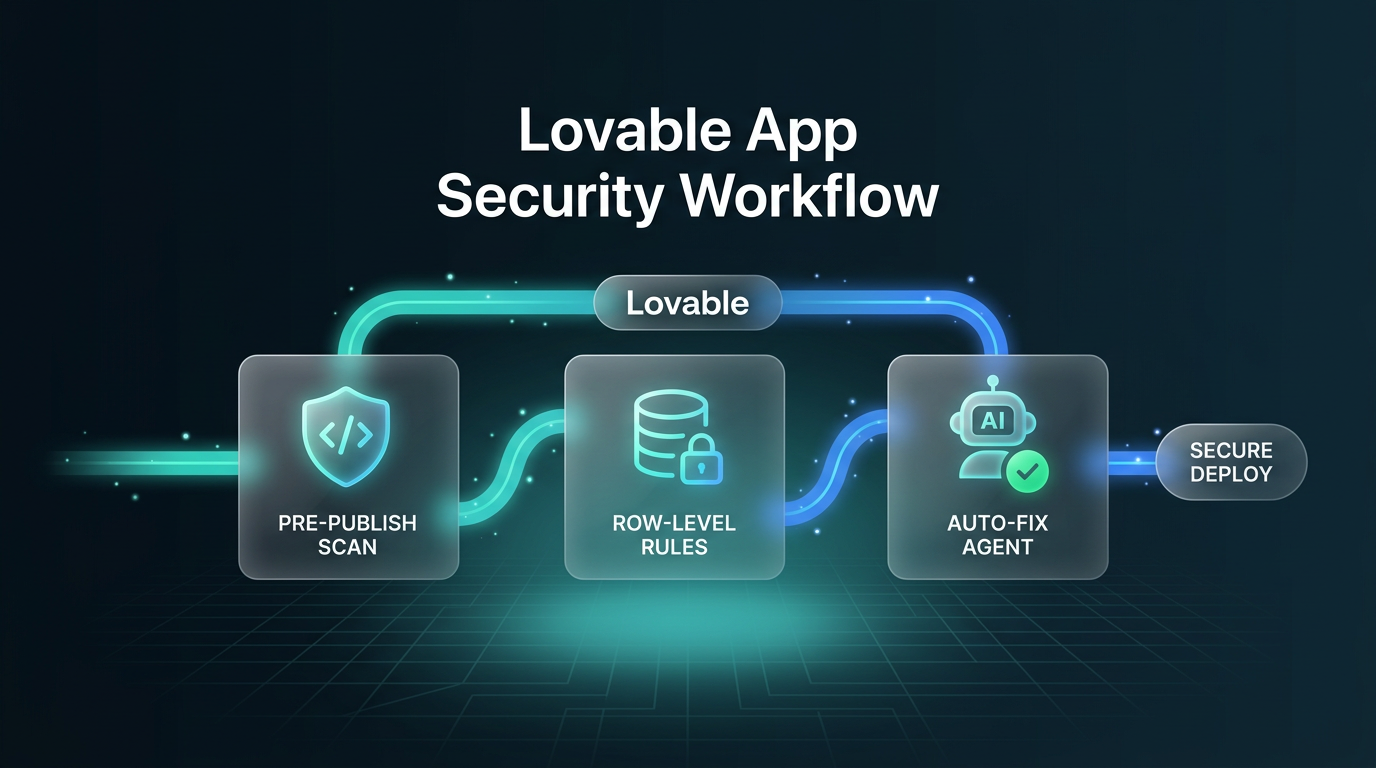
Whenever a creator initiates a deployment, Lovable runs an automated inspection pipeline across several core layers of the application stack. This check evaluates whether Lovable app security standards are met before code reaches production servers. The scanning engine examines:
- Application source code and business logic for exploitable syntax or unsafe dependencies.
- Database schemas to confirm table relationships and data types prevent injection vectors.
- Row-level security policies, which dictate the specific rules for who can view, insert, or edit database rows.
- Frontend data bindings to verify private tables are not exposed directly to unauthorized views.
If the scanner flags an issue, it warns the builder before the application goes live. For creators wanting an exhaustive audit, the platform provides an on-demand deep scan option at no additional cost. The deep scan takes longer to complete because it runs through a specialized testing environment trained on common security flaws identified across real Lovable applications.
Resolving Vulnerabilities With the Auto-Fix Agent
Detecting an insecure configuration is only the first step in protecting user data. When a scanner identifies a problem, creators can click a dedicated Fix button in the interface. This action routes detailed instructions regarding the exact vulnerability to an AI agent that rewrites the offending logic.
The company reports that overly permissive data access rules represent the single most common security issue in Lovable applications. When database tables lack restrictive row-level policies, any authenticated user might read or modify records belonging to other accounts. The automated agent repairs these permissions in seconds, adjusting policies so users only access their own records.
Teams that prefer hands-off management can enable an auto-fix toggle inside their project settings. When active, pending security findings are resolved automatically during the creator’s next chat prompt. Workspace administrators also have access to publishing controls that prevent any team member from publishing code if critical security issues remain unaddressed.
How to Manage Lovable App Security in Project Settings
While automated tools handle routine repairs, project owners retain ultimate authority over what their application exposes. Automated scanners occasionally flag deliberate design choices as potential issues. For instance, a community forum may deliberately display user profile names on public boards, which a strict scanner might flag as an unauthenticated data read.
Creators should review findings rather than ignoring notifications. Knowing which warnings reflect intentional behavior and which represent genuine oversights is vital for long-term reliability. Regularly toggling automatic remediation strengthens everyday Lovable app security across development sessions without adding administrative drag.
Workspace administrators on team accounts should establish baseline publishing policies. Restricting deployments until all high-severity vulnerabilities clear safeguards production instances against accidental rollouts by junior team members or rapid prompt experiments.
Upcoming Security Capabilities Rolling Out This Month
Lovable announced two specific enhancements scheduled to roll out during the current month. The first update is a redesigned security interface intended to present diagnostic findings with clearer explanations, risk assessments, and direct remediation steps.
The second planned feature introduces automated scheduled scans for paid accounts. Instead of requiring creators to trigger deep scans manually before major launches, paid workspaces will receive routine background security checks on a fixed cadence. This addition ensures that evolving database schemas and added API endpoints are reviewed continuously even between major editing sprints.
FAQs
Does Lovable app security require a paid subscription?
Every tier receives baseline Lovable app security, including encrypted secrets and standard scans before publication. The on-demand deep scanning tool is also available to free accounts at no charge. Automated scheduled scans, however, are reserved for upcoming rollout on paid plans.
What is the most common vulnerability found in Lovable projects?
The most frequent problem flagged by scanners involves overly open row-level security policies on database tables. These permissive rules allow users to query data they should not see, but the platform fix agent can rewrite these policies with a single click.
Can a Lovable application be blocked from publishing?
Yes, workspace administrators and builders can configure publishing controls that stop deployments when critical findings exist. This safety gate prevents exposed keys or permissive database tables from reaching active users.
What This Changes for Client Builds
When Wasif delivers projects using modern rapid-prototyping environments and custom software development, native platform protections dramatically reduce maintenance overhead. Having automated row-level security audits built directly into the build pipeline ensures data isolation remains intact as interfaces evolve.
For client projects incorporating structured web designing, these safeguards provide peace of mind during rapid iterations. Automated agents that identify and correct access rules allow builders to focus on user experience, workflow logic, and system reliability without compromising basic privacy standards.
Conclusion
Built-in security scanners, automated row-level policy fixes, and planned scheduled audits demonstrate that rapid software creation tools can meet serious data protection standards. Reviewing scanner alerts and maintaining disciplined Lovable app security practices helps keep applications protected from launch day forward.
If you want to build secure, automated software or need guidance structuring your application architecture, reach out to Wasif Ahmed to discuss your project.