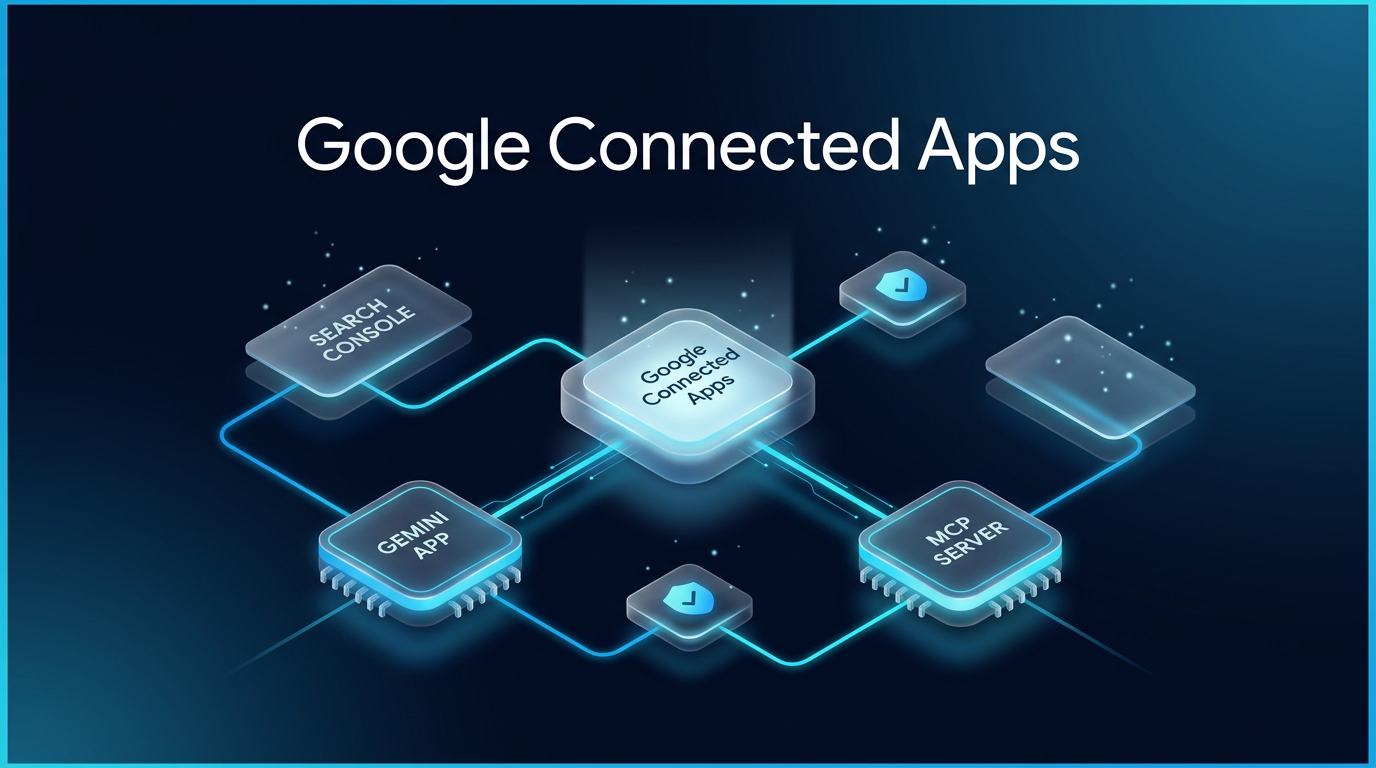
Google has introduced the preview release of its unified platform designed to build and manage Google Connected Apps across both Google Search and the Gemini app. The update gives developers a central console to deploy software actions that high-intent users can trigger inside conversational queries and web search results.
As announced on the Google technology blog, the rollout simplifies how external tools bridge into Google conversational interfaces. Rather than configuring separate connectors for different products, builders can now target both environments through a single integration pipeline.
What Is the Google Connected Apps Platform?
The system serves as a central environment where developers register, inspect, and deploy tools directly into Google surfaces. Through Google Connected Apps, an application can surface interactive functions inside the Gemini assistant or as contextual actions within standard Search results.
Historically, connecting custom third-party workflows to natural language engines required separate endpoints or proprietary plugins. With this new preview, Google aligns its ecosystem around standardized interfaces, allowing external services to process functional requests like booking reservations, checking account records, or retrieving personalized data without sending users away from their current interface.
How Google Connected Apps Connect to Developer Infrastructure
The technical foundation of Google Connected Apps relies on two core developer components. Engineers connect their services by hosting a remote Model Context Protocol (MCP) server or by running an Android MCP configuration using Google AppFunctions APIs.
- Cloud-hosted MCP servers: Enable web backends, APIs, and cloud services to expose tools directly to Search and Gemini through standardized remote protocol calls.
- Android MCP via AppFunctions APIs: Let mobile applications on Android expose local device functions directly into the assistant runtime.
- Google Connected Console: A centralized web console where technical teams register projects, verify branded assets, configure testing environments, and submit tools for production review.
- Destination control: Builders select whether an action publishes to Gemini, Google Search, or both destinations simultaneously prior to final review.
- Runtime analytics: Built-in telemetry screens display total traffic volume, response latency measurements, and error rates across live deployments.
By using MCP standards, Google signals an open direction for how language models call external APIs. Developers who already structure endpoints for tool calling can bring those same capabilities into Google Connected Apps with minimal custom plumbing.
Which Partner Integrations Are Rolling Out?
Google confirmed that more than 50 integrations are already live across Gemini and Search environments. Partner utilities span several practical categories, including daily productivity, travel booking, financial inquiries, and physical fitness tracking.
Integrations with organizations such as Adobe, Experian, Localiza, and Peloton are currently accessible for users inside the Gemini app. Google stated that these integrations are scheduled to expand directly into Google Search over the coming weeks. Additionally, a new partnership with Calm is launching across both Gemini and Search to help people access guided wellness routines directly within search or chat sessions.
Brand protection remains an explicit part of this update. Google provides verified brand badges, authenticated user accounts, and dedicated identity controls inside the developer console so organizations maintain visual authority while serving users through Google Connected Apps.
Who Benefits Most From This Release?
The preview model targets developers, software platforms, and digital service providers seeking organic visibility inside generative search surfaces. High-intent queries often represent users ready to take immediate action, such as scheduling a workout, verifying credit status, or booking a vehicle.
For software-as-a-service companies, Google Connected Apps reduce friction by executing user intents directly in line. Instead of relying purely on click-through search links, an application can handle actions inside conversational answers while preserving authenticated user relationships.
Technical agencies building custom customer portals and automated digital operations also gain a clear path to bring client services into mainstream AI assistants. Teams working on custom software development can tap into these MCP endpoints to turn existing corporate databases into interactive conversational tools.
Availability and Preview Rollout Schedule
Google is opening developer access to the preview in gradual phases. While initial partner apps are operational, public registration for developer access is managed through Google official developer portal at developers.google.com/connected-apps.
The company noted that additional international markets, broader developer tiers, and deeper integrations across other Google products will roll out steadily in the coming months. Because preview software can change quickly, teams planning production deployments should test early, monitor console latency metrics, and follow Google review guidelines.
Frequently Asked Questions
What are Google Connected Apps?
They are third-party software integrations that allow developers to connect cloud or mobile tools to Google Search and the Gemini app. They let users execute tasks directly within Google interfaces using verified developer actions.
How do developers build for Google Connected Apps?
Developers configure a cloud-hosted MCP server or an Android MCP integration using AppFunctions APIs. Teams then test, verify branding, and submit their tools using the Google Connected Console.
Are Google Connected Apps available worldwide immediately?
No, the developer platform is currently launching in an early preview phase. Google is expanding access in progressive phases across developers, geographic regions, and supported Google products.
Putting Connected Workflows to Work
Connecting software endpoints directly into AI interfaces is rapidly becoming the standard for modern business operations. In practical client implementations, Wasif Ahmed designs multi-layered automations that coordinate data between core customer systems, third-party APIs, and conversational touchpoints.
When businesses configure external API endpoints for intelligent interfaces, having a reliable back office remains critical. Wasif builds integrated architectures using AI automation to ensure that incoming data from customer-facing interfaces flows smoothly into CRMs, databases, and operational pipelines.
Whether preparing private business data for autonomous assistants or deploying automated lead engines with Go High Level, standardizing your API connections today positions your brand to take full advantage of platforms like Google Connected Apps as they open up.
Conclusion
The introduction of Google Connected Apps marks a significant shift in how search engines and conversational models interact with external software. By relying on MCP standards and offering a single console for both Search and Gemini, Google is giving developers a structured path to reach millions of high-intent users right when they are ready to act.
Businesses and builders should explore the developer preview, inventory their core API actions, and assess how Model Context Protocol integrations fit into their broader technical roadmap.
To discuss building modern automation pipelines, intelligent agent integrations, or custom system architecture for your company, reach out through the Wasif Ahmed contact page.