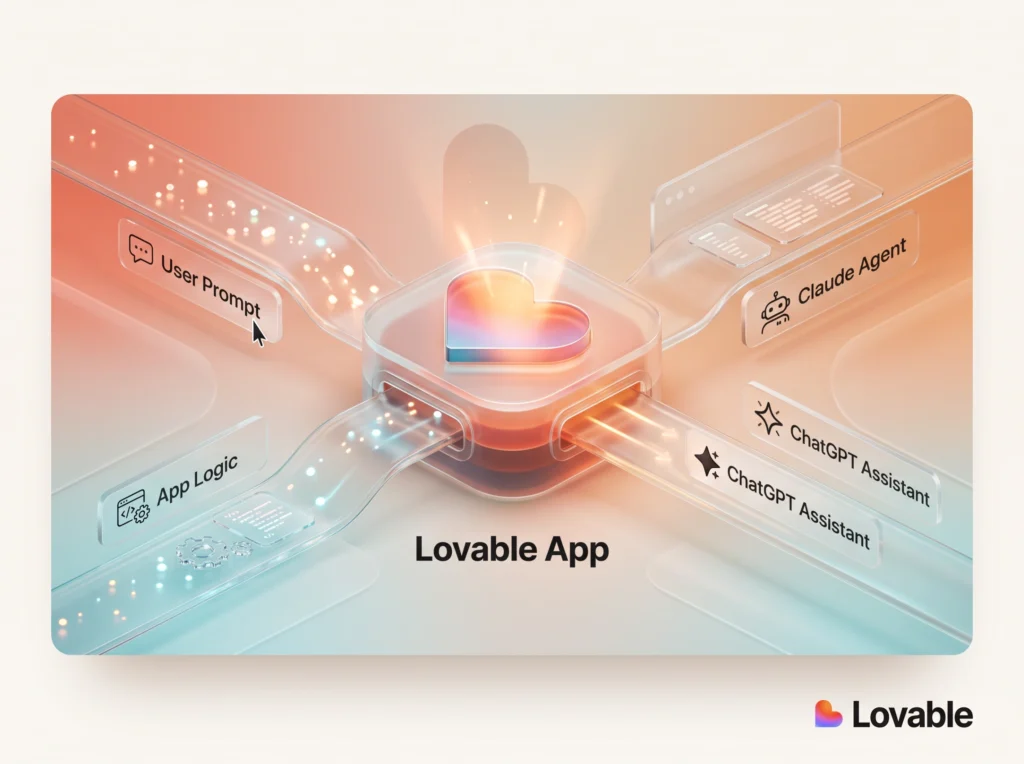
In an update announced on the Lovable blog on July 29, 2026, Lovable introduced security controls to manage connected data in production software. The platform now allows applications to mirror upstream permission structures from data warehouses, CRMs, and recruiting tools. This architectural update aims to protect user credentials and limit unauthorized access when connecting third-party services to built applications.
When teams build internal software, ensuring sensitive records remain restricted to authorized personnel is a priority. The update focuses on credential isolation, request routing controls, and structured data retention options to enhance standard Lovable app security.
Key Infrastructure Changes for Lovable App Security
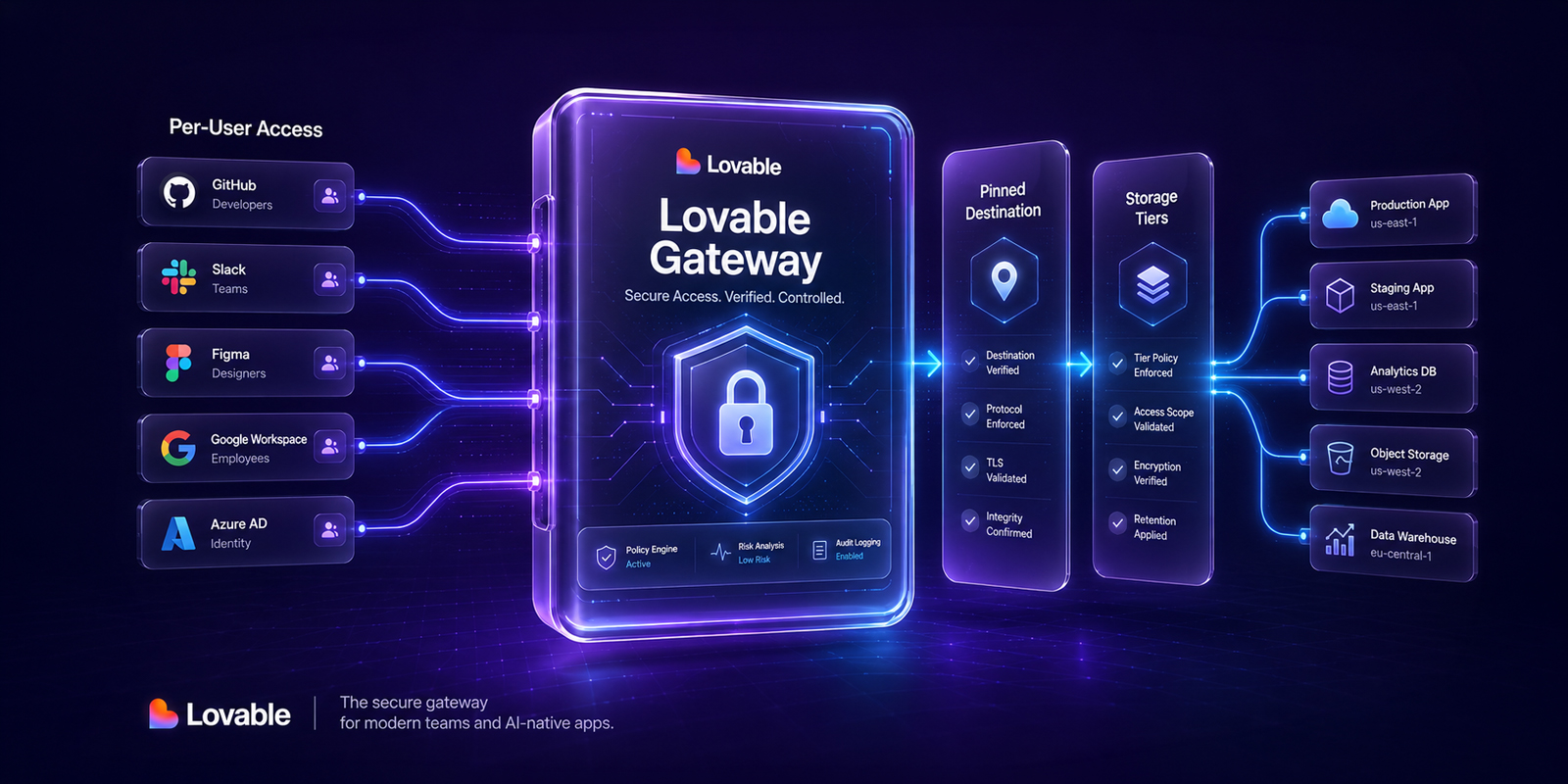
The updated architecture introduces two distinct access modes for third-party connectors: browser-only session-bound access and offline access. Browser-only access operates while a user is actively signed in, ensuring every API request originates from a live session. Under this setup, a user views only the records their specific account can access in the source system.
Offline access permits an application to execute background tasks and scheduled workflows when a user is not signed in. Because offline access holds standing permissions to act on behalf of a user, administrators must manually enable this setting for individual connectors within workspace settings.
Server-Side Token Storage and Gateway Authentication
To reduce credential exposure, applications built on the platform do not directly store or receive full authorization tokens. Credentials are saved on server infrastructure using encryption. During operation, the client application issues short-lived keys tied to the active user session and sends an intent request to the connector gateway.
The gateway verifies the user session, attaches the corresponding encrypted credential, and forwards the call to the external service. For workspaces operating without offline access enabled, tokens expire within minutes and are excluded from the application database, preventing exposure to builders or platform AI components.
Mitigating Prompt Injections and Misdirected API Requests
A common vulnerability in connected software involves misdirected requests caused by malicious inputs or configuration errors. Standard implementations risk exposing bearer tokens if an API call routes to an unauthorized third-party server. Lovable addresses this by pinning registered connectors to exact target base addresses stored on the gateway server.
For example, a Slack integration registers strictly to the Slack domain base host. When an API call processes, the gateway overrides destination headers to match the registered endpoint. If an invalid or manipulated address is submitted through prompt injection or logic errors, the request fails without releasing credentials.
Data Storage Tiers for Production Applications
When third-party data moves into an external database, original source system access controls no longer apply automatically. To help teams handle data persistence safely, the framework outlines three storage models based on application requirements:
- Store nothing: The application functions as a pass-through layer, retrieving and updating source data directly without persisting records in local storage.
- Store keys only: The database stores primary identifiers and generated non-sensitive metadata, leaving live personal metrics in the source system.
- Store anything: Full persistence is configured for low-sensitivity data environments where performance requires localized caching.
Choosing an appropriate storage approach depends on whether real-time security checks take priority over computational speed and cross-system data linking.
Where This Fits in Client Builds
When implementing web platforms and automated workflows, Wasif evaluates API access controls to protect business records across external integrations. Incorporating session-bound credentials and strict request gateways reduces potential data leaks in custom business tools. Developers building on low-code and AI platforms must assess how third-party tools isolate credentials before deploying applications to end users. Teams interested in modular application architecture can explore structured approaches through web designing services and targeted AI automation configurations.
To discuss secure integrations and software architecture for your business, reach out through the contact page.