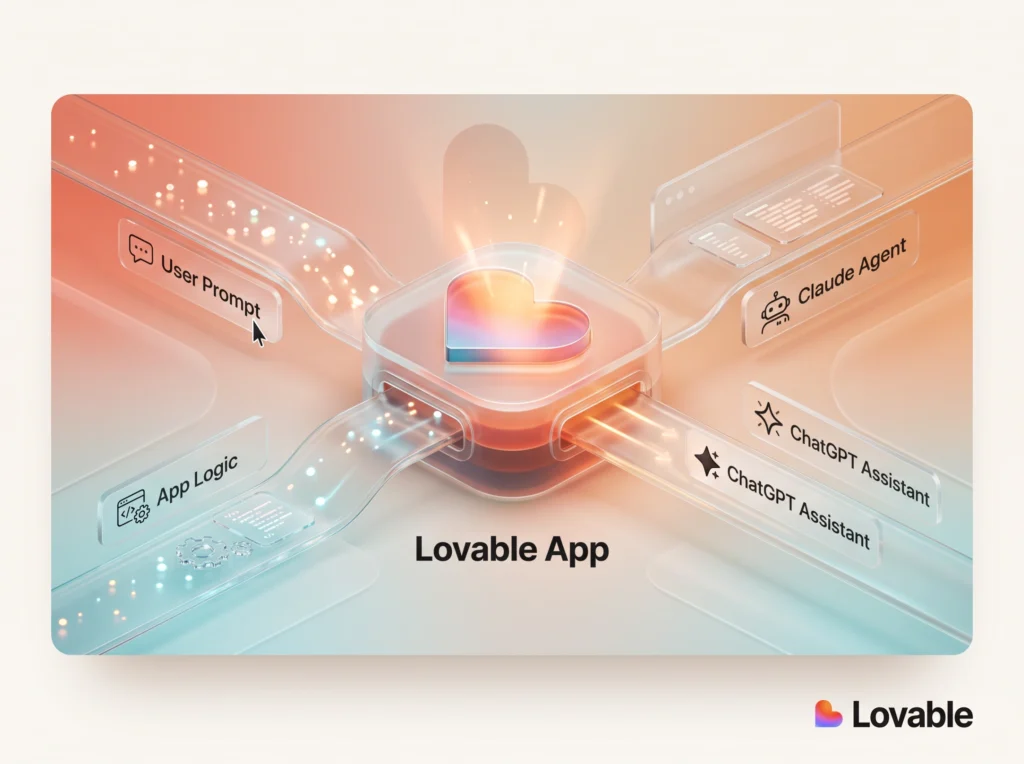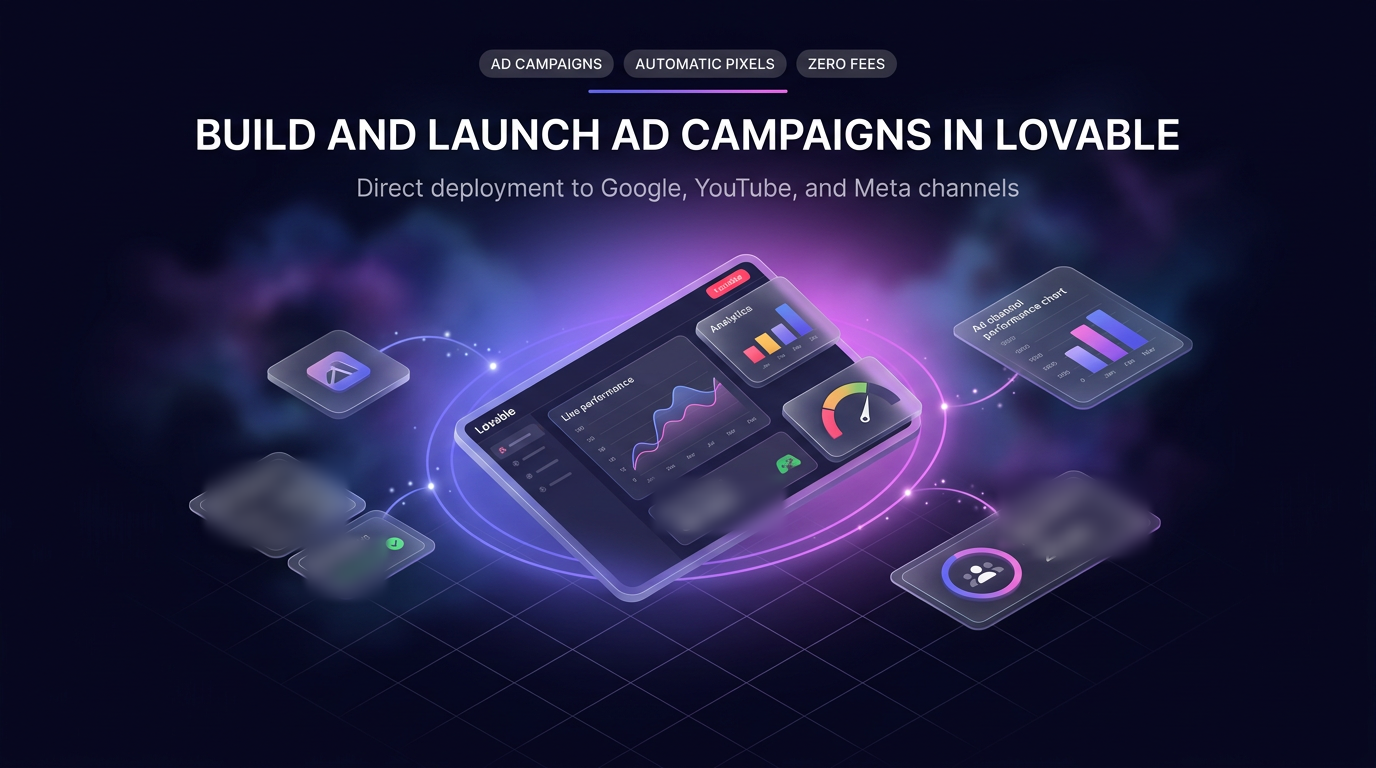
Lovable has launched a suite of integrated marketing and acquisition features called Lovable growth tools, allowing builders to plan and execute marketing campaigns directly within the application builder chat interface. According to the company, reaching potential users remains the most common obstacle for modern builders, citing data where 57 percent of small business owners consider audience acquisition their primary operational barrier. The update connects application creation with multi-channel distribution across search engines, social platforms, and paid ad networks.
As detailed in the Lovable announcement, every software project created on the platform previously gained search engine readability and indexing capabilities in May. This latest release expands those capabilities, giving builders the ability to construct growth plans, run targeted advertising, optimize organic search reach, and generate promotional assets without leaving the central build environment.
The Core Changes in Lovable Growth Tools
The platform introduces four main feature sets to support user acquisition. The primary mechanism begins with an interactive planning flow. Builders enter an initial target, such as booking more client calls or reaching a specific subscriber milestone. Lovable evaluates the target against the current project architecture, audience profiles, and existing visitor volume to assemble a structured list of recommended steps.
These suggestions vary based on project maturity. For an unreleased prototype, the system focuses on indexing readiness, landing page value propositions, and local listings. For established projects, the platform suggests targeted outreach or paid campaigns. Builders retain complete editorial control, reviewing and approving every suggested task before any work executes.
The second major component is native ad campaign deployment for Google and Meta networks. Users can connect existing ad profiles or set up new ad accounts through integrated login windows. The system handles technical tracking configuration automatically, inserting Google Tags or creating and embedding Meta Pixels to monitor events such as signups and checkout completions.
Ad Management and Budget Guardrails
Using Lovable growth tools to manage paid traffic introduces specific guardrails to keep founders in control of spend. Lovable does not process media spend directly or add platform surcharges on top of ad budgets. All advertising costs bill through the user’s connected Google Ads or Meta Business accounts, while generating plans and ad creatives consumes standard Lovable plan credits.
Before any ad campaign goes live, the system displays a clear summary that specifies daily spending limits, target regions, language criteria, conversion goals, and tracking status. No campaign runs without explicit confirmation. Once an ad sequence is active, builders can review results in a dedicated analytics panel or instruct the assistant in chat to modify parameters.
Users can adjust bids, pause underperforming groups, change creative copy, or request custom metric dashboards in real time. Lovable executes requested adjustments but will not modify live ad parameters autonomously without direct user instructions.
Integrated SEO and Distribution Channels
Organic discoverability receives an overhaul through built-in Semrush data and automated website hygiene audits. Lovable growth tools review structural elements necessary for search engines and language models, checking sitemaps, robots.txt directives, title tags, structured metadata, and Google Search Console connectivity.
Beyond technical audits, the integration with Semrush identifies practical keyword opportunities that an application can realistically compete for. Lovable can draft dedicated landing pages designed for organic searchers, AI query engines, and automated agents seeking relevant solutions. Founders building specialized platforms or web designing projects can target specific search intent without maintaining a separate SEO toolkit.
The third organic element addresses off-site distribution. The tool analyzes what the project does and recommends relevant directories, discussion forums, and industry communities where prospective users congregate. Lovable drafts contextual discussion points and profile descriptions, leaving final publishing to the user so personal account ownership remains authentic.
Asset Generation from Project Codebases
Generating promotional visual material often slows down small teams. Lovable addresses this by analyzing the application’s visual style, interface components, and value proposition to produce promotional creative assets. Before outputting media, the tool studies search demand patterns and competitor advertising approaches, compiling a brief summary report for the user.
From that research, the system presents three creative directions. Builders can select one, request revisions, or replace elements with their own uploaded brand assets. Supported formats include static marketing images, launch clips, animated product walk-throughs, video advertisements, and short-form social posts tailored for active campaigns.
These features are available across Free, Pro, and Business plans immediately. Enterprise teams can enable the appropriate connectors through the administrative settings panel under the Connectors tab.
Practical Implications for Independent Builders
Independent developers and small business operators frequently encounter friction when transitioning from product development to customer acquisition. A survey of more than 400 creators highlighted by Lovable revealed that one-third did not know where to find initial customers, while another third relied solely on organic personal social media posts.
Consolidating tracking tag injection, keyword planning, asset creation, and campaign management into the build chat removes technical configuration barriers. Installing a Meta Pixel or verifying Google Search Console usually requires editing code headers and managing third-party plugins. Automating these steps allows solo builders to test acquisition channels earlier in their product lifecycles.
However, running paid advertising still requires understanding fundamental economics. While Lovable configures targeting and creatives, business owners remain responsible for cost per click, customer acquisition costs, and underlying product retention. Paid campaigns accelerate feedback, but they require a clear offer and sustainable unit economics to produce positive returns.
FAQs About Lovable Growth Tools
What platforms can Lovable growth tools run ads on?
The system connects directly to Google Ads and Meta platforms. This setup enables advertising campaigns across Google Search, Google Maps, YouTube, Facebook, and Instagram.
Does Lovable charge a percentage fee on my ad spend?
No, Lovable does not take a percentage fee on advertising spend. Campaign billing is charged directly by Google or Meta, while configuring strategies and generating creative assets uses regular Lovable plan credits.
How do Lovable growth tools handle campaign safety?
Before any campaign launches, the builder must approve the budget, targeting locations, languages, and conversion goals. Lovable will not alter budgets, switch ad copy, or launch new campaigns without direct user instructions.
Where This Fits in Real Client Builds
In client implementations, creating an application is only the initial milestone. Connecting that software to structured lead funnels, search indexing, and automated outreach determines whether a project succeeds. Wasif Ahmed incorporates these principles when architecting systems, pairing front-end platforms with backend workflows in AI automation to process incoming leads predictably.
The introduction of Lovable growth tools reinforces an industry shift toward unified development and distribution environments. By lowering technical barriers for tag management, keyword research, and ad setup, builders can validate new concepts with real market traffic faster than before.
If you are planning to build modern web applications and want to integrate reliable lead capture workflows, reach out to discuss your project.